Thomas Barreto
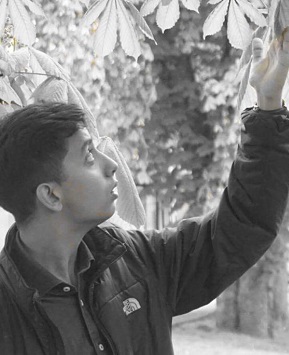
I adore playing sport and am especially fond of football, hockey and table tennis. I enjoy listening to a wide range of music from jazz to hip-hop, regularly play video games, and love watching animal documentaries, especially Sir David Attenborough's series.
I've recently studied medicine for two years in the Netherlands and I am currently taking a gap year, waiting to apply for 2019-20 entry. I've been keeping myself busy by waiting tables at a Japanese restaurant, taking care of pets (dog-walking and cat-sitting), and other odd jobs.
Thomas Barreto

Porridge and Rice combats poverty in the Nairobi slums, home to some of the poorest people in the world, by enabling pupils at partner schools to obtain a sound education.


Thomas's Blog
Thomas is taking a gap year from August 2018 to August 2019 before applying to read medicine. His plan for the year includes a wide range of activities including working at the Hare and Tortoise as a server, learning a new language, and volunteering in Sumatra with an Orangutan project. It looks set to be a busy and enriching year for Thomas.
Ken Surridge
New Year
30 January 2019
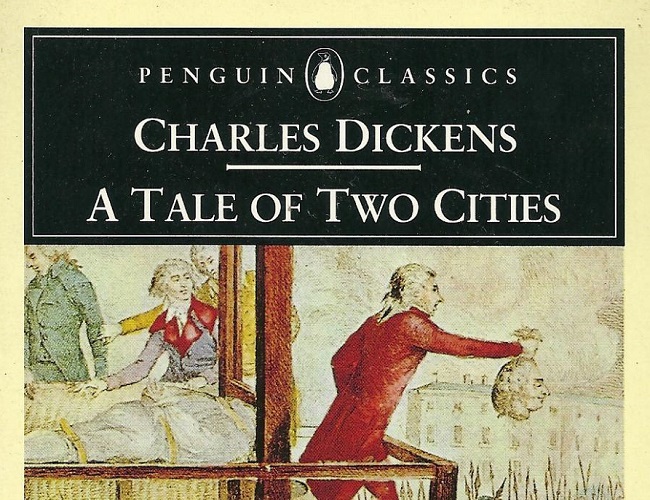
New Year provides the opportunity to wipe the slate clean and invest in novel activities. As part of this, I thought it is time to finally join a gym and invest in my health and fitness. I want to kiss goodbye to my jelly belly with dynamic strengthening exercises centred on my torso and back muscles. This will help give my abs more definition and improve my posture. I hope that regularly attending the gym and the health classes that they offer will be able to improve my discipline. I've been told that to do this for some time now. I use most of my free time watching tv shows, YouTube videos and gaming. These activities give me the opportunity to relax, but I now realise that there are other methods of downtime while being informative. Reading is one of them. I am enjoying reading BBC wildlife magazines and similar topic related extracts, however I would like to expand my breadth of literature by starting A Tale of Two Cities and finishing Half a Yellow Sun.

Animals and medicine
14 January 2019
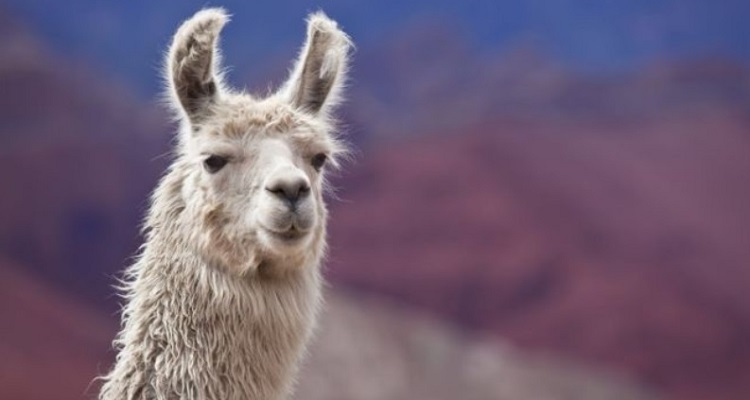
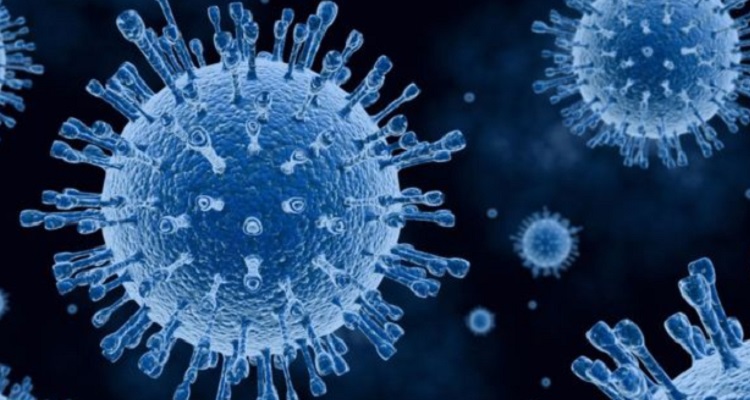
The llama, best known for its wool and rebellious spitting habits, may carry the answer to beating flu. Llamas have very similar antibody properties to humans which scientists believe may provide clues that could mean less sneezing in winter.
Animals are helpful in ways other than in medicine. For example, in Sampit, south-east Asia, one of the fastest birds in the world, has developed a productive relationship with the locals.
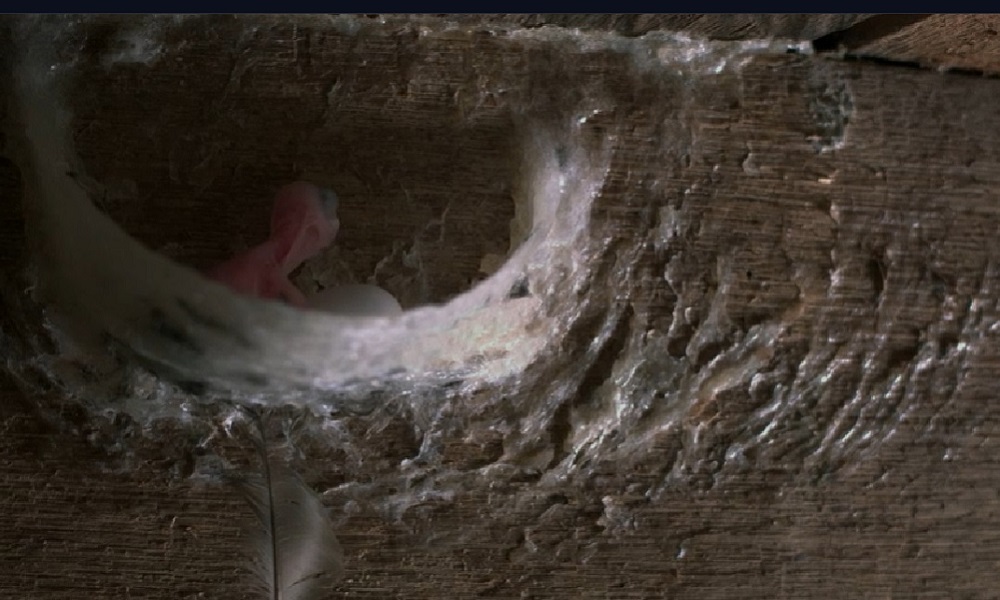
Swifts, usually found deep in cave systems, have been welcomed into custom built properties where they make nests, using extra thick and sticky saliva (produced in a gland under the tongue). Once the young have fledged, the "hotel" owners harvest the nest for sale at the market for use in bird nest soup. The swifts are guaranteed shelter and safety, and the farmers earn money from the nest.

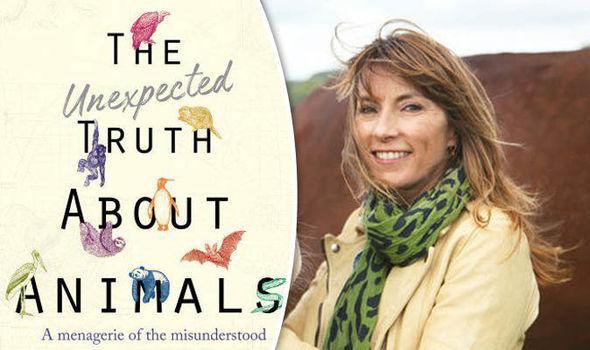
The Unexpected Truths About Animals by Lucy Cooke
28 October 2018
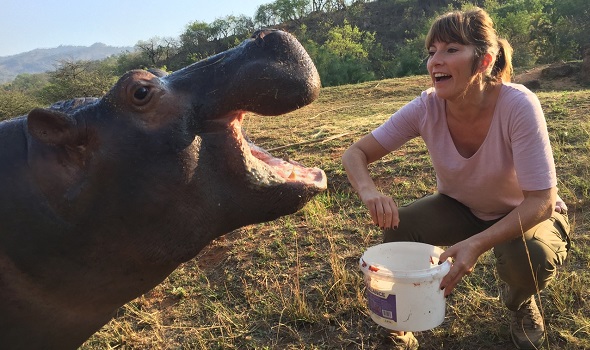
Zoologist and documentarian, Lucy Cooke, reveals quirky facts and hidden truths about a dozen animals in her intriguing printed book. She sheds light on the early to late theories, some insightful and some ridicuous, of the development of eels to the medical attributes of beaver testicles.
Cooke is a founder of the Sloth Appreciation Society and denounces their image as lazy. In series 15 of the Infinite Monkey Cage on Radio 4 in the episode on animal behaviour, she describes the sloths as being very energy efficient, since they can move with using only around 50% of muscle mass.
I have yet to finish the book and I cannot wait to read the remaining chapters.